
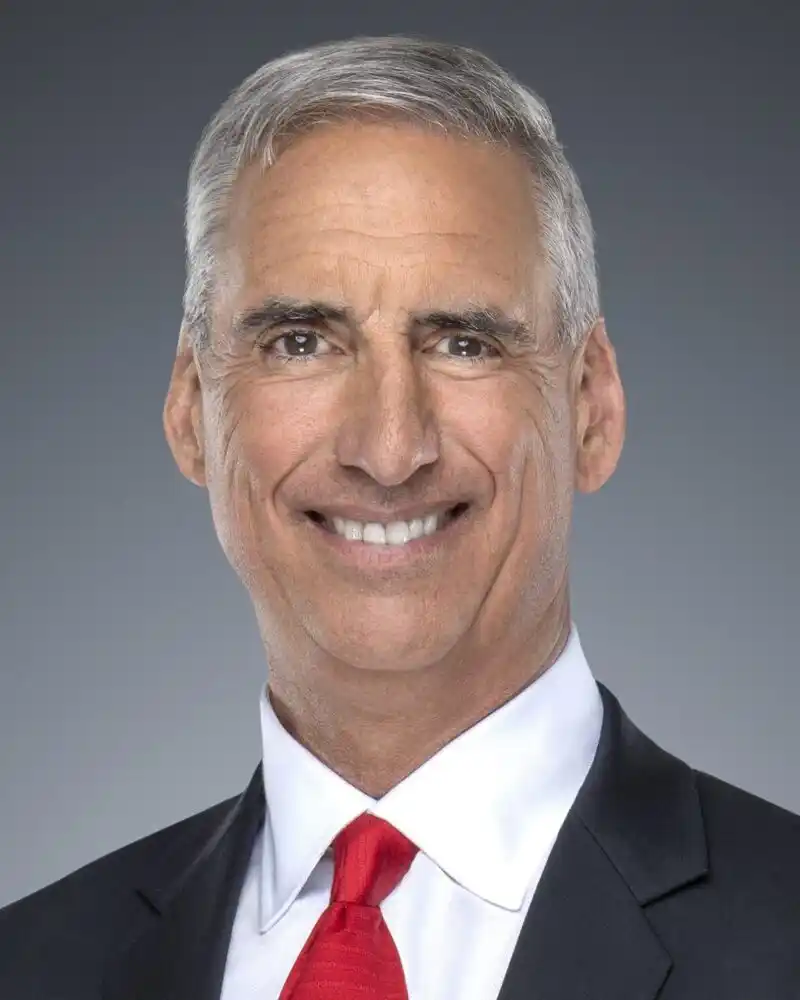
Football’s New Reality: Oliver Luck On NFL Europe, Global Growth, And NIL
When Oliver Luck was a kid, baseball sat on the throne. Today, football holds that spot. The NFL owns Sundays, college stadiums feel like small cities, and teenagers in youth and high school programs are already living inside a business ecosystem.
On this episode of BABES BALLS & BRANDS™, host Janet Moreira talks with Oliver Luck about how the sport got here, why the NFL is pushing abroad, and how NIL exposed cracks inside the college model.
Luck is rare in his vantage point. He played quarterback at West Virginia and in the NFL, ran NFL Europe, served as Athletic Director at West Virginia, worked in the NCAA office, and led professional leagues. He has seen football as a player, an administrator, and a policymaker.
How Football Took Over Sundays
Football’s rise is tied to television.
As broadcast TV spread, the NFL learned how to turn a game into a ritual. Classic match-ups in the 1950s and 1960s made Sunday afternoons a shared habit. Year after year, fan surveys put the NFL at the top of the popularity list, college football in second place, and everything else behind them.
Today, the league does more than win time slots. It fills the entire day. Regular season games in London and Germany start in the U.S. morning, then roll into afternoon and night kickoffs. A fan can turn on a game with breakfast and still be watching football late in the evening.
“Football is king,” Luck says. The next challenge is to reach. How far can that influence stretch outside U.S. borders?
What NFL Europe Really Meant
Many fans remember NFL Europe as a short chapter that closed. Luck sees it as an important rung on the ladder.
The first overseas push leaned on preseason “American Bowl” games in cities like Berlin and London. Curiosity was high, stadiums filled, then crowds realized star players barely stepped on the field. Interest dropped once they understood what they were actually getting.
NFL Europe changed that equation. The league created a six team competition and owned it centrally. The names on the jerseys were not famous, yet the football was real. Future Super Bowl quarterbacks Kurt Warner and Brad Johnson both played there.
Frankfurt became proof that this could work. As president of the Frankfurt Galaxy, Luck watched the club draw 40,000 to 50,000 people per game. The formula was straightforward. Put a solid game on the field, then layer in the show. Music, production, fireworks, and the kind of experience fans had seen during Super Bowl broadcasts.
Later, the NFL shifted again. Instead of sending a development product overseas, it began sending regular season games. That move produced sold out crowds in London and Germany with fans wearing jerseys from almost every franchise. Many were not loyal to the teams on the field. They simply wanted to be present at an NFL event.
Recent years have added another tool: international home marketing rights. Selected clubs now focus on particular countries, work with local media, run events, and create content tailored to those fan bases.
The message inside all of that is simple. The NFL is not just touring foreign markets. It is building roots.
Flag Football And New Pathways
While league offices plan global schedules, the way kids meet the sport is also changing.
Flag football has grown into a serious entry point. It fits schools and families that want the speed and skill of football with a different contact profile.
Flag offers clear advantages:
Lower equipment and field costs
Fewer collisions and a different risk picture
A natural fit with 7 on 7 and passing work
Real opportunities for both boys and girls
With flag football set for the LA 2028 Olympics, the NFL can connect its brand to a format that works in PE classes and community leagues around the world. It also creates a stage where current and former players can appear in a setting that reaches beyond traditional football audiences.
There is a basic skill gap in many of the markets the league is courting. American kids grow up throwing. In large parts of Europe, they grow up kicking instead. If the sport wants real passing games in new regions, coaches need to teach throwing and catching on a massive scale.
Luck treats that as a development challenge. The solution looks like more balls in kids’ hands, more local coaches who can teach the motion, and more reps, not just more marketing.
NIL And A Cracked College Story
At the same time, college sports are working through a very different problem.
For years, the NCAA leaned on one simple exchange. A scholarship covered tuition, room, board, books, and fees. In return, athletes carried the amateur label. That story matched Luck’s time at West Virginia and his son Andrew’s experience at Stanford.
Money around that exchange did not stand still. Coaches signed contracts that looked like professional deals. Conferences pulled in huge media payments. Stadiums added suites and VIP clubs. Game days at major programs came to resemble full scale entertainment businesses.
Rules around athlete pay did not keep pace. Some athletes could earn income in narrow situations and stay eligible. An Olympian could accept a medal bonus from a national committee. A baseball player could draw minor league checks and later play college football. At the same time, athletes could not profit on their own names and images.
Court cases and public pressure started to pull that logic apart. Modest proposals for stipends or graduation-based trust funds stalled. NIL arrived after years of strain, not as a sudden shock.
Now, the top level of college football sits in an uneasy place. The old version of amateurism has broken down. Lawsuits and settlements continue. Rules shift as conferences and schools react. Families try to weigh NIL deals, degrees, and transfers while the ground keeps moving.
Meanwhile, fans keep watching. Ratings are strong. Stadiums at major programs stay full. The product on the field still works. The real question runs deeper. What kind of model fits the reality everyone can see?
The Bond That Holds It Together
Across all of these layers, Luck comes back to one core idea. Football runs on emotion.
The sport survives because fans feel attached to teams. That attachment explains packed high school bleachers on cold nights, alumni weekends built around Saturday games, and full NFL stadiums in the United States and abroad.
As leagues chase new revenue, add premium seating, and expand into new countries, that connection comes under stress. If prices climb out of reach, if teams feel portable, if every choice looks like a pure business move, the relationship can wear thin.
Luck’s conversation with Janet points to the same truth at each level. Decisions inside league offices and conference rooms do more than shape schedules and contracts. They shape the experience of the athletes who play, the parents who advise them, and the fans who decide how long they stay invested.
BABES BALLS & BRANDS™ focuses on those people. New episodes drop twice a month on Apple, Spotify, YouTube, and everywhere you listen, giving athletes, parents, and brands practical insight into NIL, recruiting, and the changing business of sports.
If you are a sports parent, athlete, or brand trying to understand where football is headed, this conversation gives you a clear view of how decisions at the top shape opportunities at the youth and college level. Subscribe to BABES BALLS & BRANDS™ for more real-world insight on NIL, recruiting, athletic branding, and building sports careers that last.
Follow BABES BALLS & BRANDS™ and Janet Moreira:
Website: BABESBALLSBRANDS.com | Twitter/X: BABEBALLBRAND | Instagram: BABES.BALLS.BRANDS
Follow Janet Moreira:
LinkedIn: JanetMoreira | Instagram: TheNILAttorney | Instagram: TheJanetMoreira | YouTube: @TheNILAttorney | Caldera Law: Janet-Moreira | Book Free NIL Consultation: Janet Moreira
Subscribe Our Channel On Many Platform








BABES BALLS & BRANDS Real talk for the sports world
Comments