
Most Athletes Chase Headlines While Missing the Real NIL Opportunity
Sports parents see the quarterback signing with Chipotle for seven figures and immediately assume their track athlete missed the NIL boat. This assumption costs families real money every single day. The million-dollar headlines are not lies, but they convince sports parents that only elite athletes in revenue sports can monetize their brands. That myth needs to die.
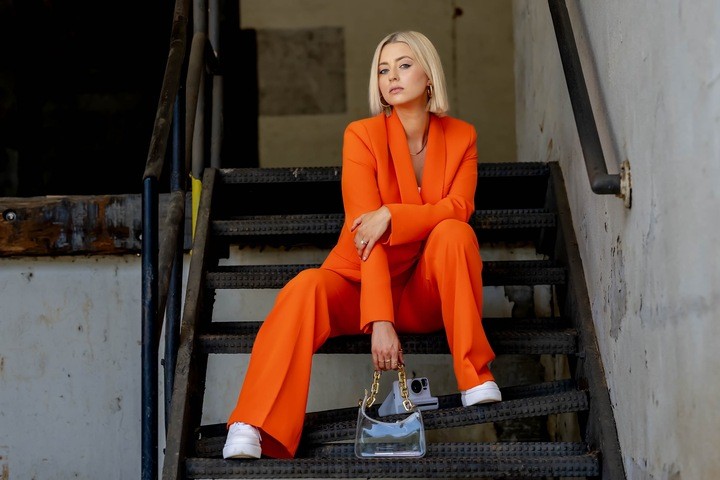
In this episode of BABES BALLS & BRANDS™, host Janet Moreira exposes this reality with Sam B Green, founder of AthleteCon and NIL strategist who proved every single athlete can land paid brand partnerships regardless of their sport or star status. Green spent years as an NBA dancer and video editor at ESPN before launching the first convention where brands and athletes facilitate deals in person through hands-on content creation competitions.
Janet Moreira, a Board Certified IP attorney who navigates sports and recruiting with her own kids, digs into what actually makes athletes marketable in the creator economy. The conversation delivers exactly what sports parents need: contract red flags to avoid, practical steps teen athletes can take today, and why a female discus thrower with zero SEC resources can outperform Division I stars in brand monetization.
Every Single Athlete Got Paid When Panel Discussions Failed
The NIL education landscape exploded after July 2021 when restrictions were lifted. Universities hosted panel discussions. Agencies offered webinars. Consultants sold courses promising six-figure deals. Green watched this ecosystem develop and called BS on the whole thing. Athletes were drowning in information but could not shoot a decent brand partnership video to save their lives.
AthleteCon takes the opposite approach by prioritizing doing over listening. The convention features a four-hour content creation competition where athletes take products in their hands, shoot advertisements live, and compete for cash deals, paid internships, and job opportunities. Brands like Instagram teach workshops on actually making money through paid advertisements rather than just posting content and hoping something sticks. Athletes leave with networks, cash opportunities, and skills they can use the next day.
The constant feedback Green receives from brands validates the model. You have the right athletes in this room. They want to work. At that first AthleteCon, brands were so impressed by the energy and commitment level that they expanded their offerings that same day to include every athlete. Not some athletes. Every single one.
This outcome reveals what sports parents need to understand about youth sports and NIL deals. Work ethic and willingness to learn trump athletic performance when brands evaluate partnerships. A track athlete who went from 2,000 followers to 100,000 followers in nine months while signing 25 brand deals proved this principle. The athlete competed in a non-revenue generating sport without massive SEC resources. The transformation happened because the athlete learned to create content strategically, identify authentic brand fits, and treat social media like a business instead of a popularity contest.
Protein Bar Beat Buick in the Study That Shocked Brands
Green's background includes a master's degree in media psychology, which led her to conduct the first NIL marketing study using eye-tracking technology. She wanted to understand why brands were dumping money into professionally shot production advertisements while some athletes spent thousands hiring videographers. Meanwhile, other brands paid smaller amounts for athletes to prop up their phones and talk naturally. The question became which approach actually worked better with audiences.
The study measured emotions elicited through different advertisement formats. An athlete eating a protein bar and talking about it with their phone propped up, filmed by their teammate or roommate, outperformed a professionally produced Buick commercial. Athletes who spent thousands on professional videographers and elaborate lighting setups probably felt pretty silly when their teammate with an iPhone propped on a dumbbell delivered better results than their production crew.
This finding proves what smart marketers already knew, but brands refused to believe without hard data. Audiences respond to authenticity over polish when it comes to athletic brands. They want access to the real person behind performance statistics, not another slick advertisement that could feature anyone. Sports parents trying to help their teen athletes build marketable brands without breaking the bank need to understand this principle immediately. Athletes do not need expensive videographers or professional photography shoots to land meaningful NIL deals. They need strategic thinking about what content serves their goals, consistency in posting, and authentic storytelling that gives audiences reasons to care beyond game highlights.
The mental toughness for young athletes comes from hitting records and posting without looking back. Green tells athletes to stop caring what their teammates think and stop worrying about videos flopping. Everyone starts from zero. An athlete asked her yesterday if it would be weird to start randomly posting on Instagram. The answer is simple: how else are you going to get started? These athletes can fail publicly in front of thousands physically, which is harder to control than digital content. Yet they are terrified of their digital audience when that is actually more controllable than their sport.
Written Contracts or Empty Promises Sports Parents Must Know
The revenue sharing landscape creates new opportunities and new dangers for families navigating high school football recruiting and college athletics. Green warns that sports parents must exercise extreme caution because nightmare stories about predatory contracts are becoming more common. Schools now directly pay athletes while also using NIL perks and partnerships to circumvent revenue sharing caps.
The solution starts with understanding a fundamental legal principle that many families learn too late. Unless something exists in writing with signatures, it does not exist at all. Verbal promises mean nothing when disputes arise or circumstances change. Schools excel at recruiting and know exactly where to position athletes during visits to maximize emotional connection. Talk remains cheap regardless of how sincere it sounds in the moment.
Sports parents navigating contract negotiations should watch for these red flags:
Verbal promises without written contracts - If it is not signed, it does not exist
Revenue sharing models with athlete trap clauses - Look for exit terms before signing
Vague deliverables without specific metrics - Create content means nothing without details
No attorney review clause - Any deal preventing legal counsel review is predatory
Automatic renewal terms without opt-out windows - Athletes need exit strategies
Building legal protection does not require unlimited budgets or massive retainers. Green emphasizes resourceful team building through trade-offs and relationship nurturing. Athletes can offer future business to attorneys in exchange for reviewing initial contracts. Many lawyers will look at deals for free specifically to help young athletes avoid predatory terms. The key involves asking for help, advocating for yourself, and understanding that spending a little money upfront always costs less than trying to fix problems after signing bad agreements.
Sports parents who assemble boards of directors with attorneys, financial advisors, and marketing strategists before opportunities arrive give their athletes protection that pays dividends for decades. Janet reinforces this point constantly. Your team off the field is just as important as your team on the field. Everyone needs different expertise to build athletic brands that last beyond athletic scholarships and playing careers.
Build First, Get Asked Later Wins Brand Monetization
The most damaging myth in youth sports suggests athletes should wait until they become marketable before investing energy in brand building. Families believe their teen athletes need certain follower counts, recruitment rankings, or performance statistics before brands will care about partnerships. This backwards thinking causes athletes to miss the entire window where brand building actually happens.
Athletes who want agents to facilitate deals must first become marketable enough that agents have reasons to work with them. The one percent get representation regardless of their social media presence because their dominance creates automatic demand. Everyone else must give agents something to sell. Green recommends platforms where CVS, Crocs, and other major brands facilitate smaller deals that athletes can leverage into bigger opportunities. These initial partnerships may not generate significant income, but they create credibility that opens doors.
The shift from sports entertainment to entertainment sports represents the future Green predicts for athletic brands. Green's nephews want to be YouTubers like Jake and Logan Paul. Not doctors. Not lawyers. YouTubers. Sports parents can either panic about this shift or position their teen athletes to win in the reality that is actually arriving. The kids currently watching YouTube shorts in high chairs will enter youth sports with fundamentally different expectations about what athletic brands should accomplish.
Athletes like Deion Sanders and his sons demonstrate this evolution where personality, entertainment value, and content creation matter as much as statistics. Female athletes are becoming top earners for major sports agencies as brands recognize that women's sports offer profitable investments rather than charity work. The future belongs to loud personalities willing to put themselves out there fearlessly. Every time Green gets on social media, the bold athletes who really share their stories are the ones going viral.
Take Action Today
AthleteCon 3.0 returns to Las Vegas June 3-5, 2026; with over 1,000 athletes, 30-plus brands, and the same hands-on model that got every athlete paid at her first event. Sports parents waiting for their teen athletes to become marketable before learning brand building are missing the entire window where brands actually get built. The NIL landscape evolves constantly, and families who stay informed make better decisions while avoiding costly mistakes.
Janet Moreira brings her dual perspective as a Board Certified IP attorney and sports mom living the high school football recruiting reality to every episode of BABES BALLS & BRANDS™. Her conversation with Sam Green covers additional strategies, including how to convert one-off brand deals into longer relationships, when to bring on agents versus handling deals independently, and why ChatGPT serves as a practical starting point for overwhelmed families.
New episodes of BABES BALLS & BRANDS™ drop twice monthly on Apple Podcasts, Spotify, YouTube, and everywhere you listen to podcasts. The show delivers real talk for athletes, sports parents, and brands navigating NIL deals without corporate speak or fluff. Just practical information that helps families make smarter decisions about athletic brands, recruiting, and building sustainable careers. Connect with the community and join sports parents learning how to support their teen athletes through one of the most dynamic periods in youth sports history.
Follow BABES BALLS & BRANDS™ and Janet Moreira:
Website: BABESBALLSBRANDS.com | Twitter/X: BABEBALLBRAND | Instagram: BABES.BALLS.BRANDS
Follow Janet Moreira:
LinkedIn: JanetMoreira | Instagram: TheNILAttorney | Instagram: TheJanetMoreira | YouTube: @TheNILAttorney | Caldera Law: Janet-Moreira | Book Free NIL Consultation: Janet Moreira
Follow Sam Green:
Website: AthleteCon.io | LinkedIn: @SamBGreen | Instagram: @SamBGreenSubscribe Our Channel On Many Platform







BABES BALLS & BRANDS Real talk for the sports world
Comments